
Description
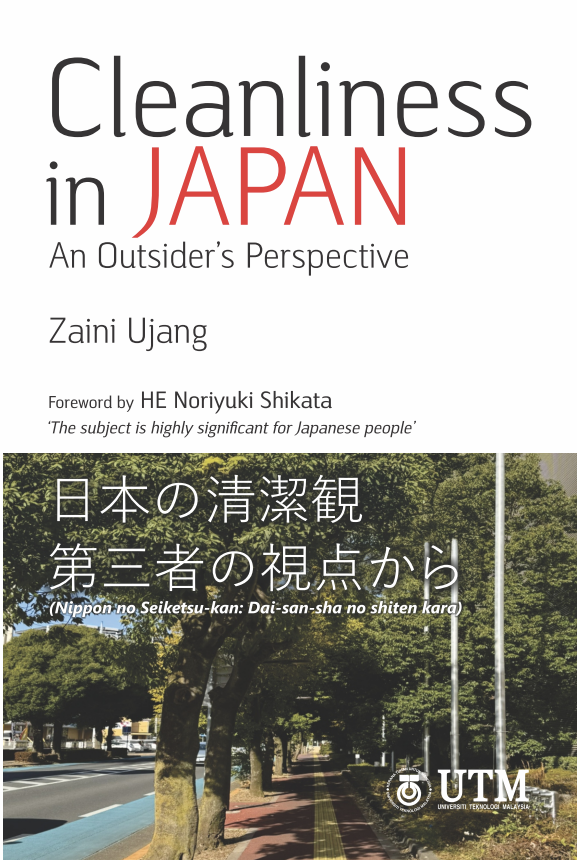
Japan shows that cleanliness is not merely the result of wealth or strict law enforcement, but a deeply rooted cultural discipline formed through daily habits and long-standing traditions. These practices enable a modern, dynamic society to remain orderly and sustainable without relying solely on regulations. People maintain clean surroundings because they feel personal responsibility toward shared spaces, a value nurtured through family upbringing, education, and community life.
Several lessons can be learned from this experience. First, environmental responsibility begins with personal hygiene and everyday behaviour. Second, education should emphasize character formation and social responsibility, not only academic success. Third, experiential learning, such as cleaning classrooms and public areas, builds lifelong awareness and discipline. Fourth, sustainability should be guided by a deeper ecological philosophy, or ecosophy, rather than policy frameworks alone. Finally, meaningful change often starts with simple, visible actions, including keeping toilets, streets, and public facilities clean, showing that small cultural practices can create lasting environmental impact.